

Celebrating Harvest and Heritage
Pongal holds a special place in my heart because it was the first regional harvest festival I experienced after moving to Bangalore. A Tamil colleague invited us home for the celebration, and I watched her mother cook the traditional sweet pongal in a clay pot, letting the milk boil over the rim while everyone cheered "pongalo pongal." The whole house smelled of jaggery, cardamom, and ghee, and the meal that followed — served on banana leaves — was one of the most beautiful spreads I had ever seen. That day taught me that Pongal is not just a festival but a genuine expression of gratitude, community, and connection to the land. I have been making sweet pongal at home every January since then, and this post shares the history, significance, and traditional recipes that make this celebration so special.
Pongal is a vibrant, culturally significant harvest festival celebrated primarily in Tamil Nadu and among Tamil communities across the world. It marks the beginning of the harvest season and is an expression of gratitude to the Sun God Surya for blessing the land with abundance. At its heart, Pongal reflects the deep connection between nature, agriculture, and spirituality that runs through Tamil culture.
The celebration lasts four days, and each day carries its own customs, rituals, and traditions. Families and communities come together to cook, pray, decorate their homes, and celebrate prosperity, renewal, and gratitude. It is one of those festivals where food is not just part of the celebration — it is the celebration itself.
Origins and Significance
Pongal is one of the most colourful and culturally rich festivals in India. Historically, it originated in the agrarian traditions of Tamil Nadu and celebrates the harvest as well as the power of nature. Furthermore, the festival coincides with the end of the winter solstice and the beginning of the Tamil month of Thai, which falls in mid-January.
Importantly, Pongal highlights the agricultural heritage of Tamil Nadu. Farmers celebrate the festival to thank nature, the sun, and the animals that contribute to successful farming. Therefore, the festival represents gratitude, prosperity, and harmony with nature.
Ancient Festival
Pongal has a history that dates back more than 1,000 years. In fact, references to the festival appear in ancient Sangam literature, which describes it as an important harvest celebration. Consequently, the festival has remained an essential part of Tamil cultural identity for centuries.
Sun Worship
The festival is dedicated to Surya, the Sun God. Because the sun plays a vital role in agriculture, farmers offer prayers to express gratitude for a good harvest. Additionally, crops such as rice and sugarcane depend heavily on sunlight for growth. Therefore, the worship of Surya symbolises appreciation for the energy that sustains life and farming.
The Four Days of Pongal
The festival unfolds over four days, and each day carries unique rituals and traditions.
Bhogi
First, the festival begins with Bhogi, which symbolises renewal and fresh beginnings. On this day, families clean their homes and discard old belongings. Afterwards, people light bonfires using wood and dried cow dung cakes to burn unwanted items. Consequently, the ritual represents letting go of the past and welcoming a new phase of life.
Thai Pongal
Next, the second day, known as Thai Pongal, is the most important part of the celebration. On this day, families prepare the traditional Pongal dish using freshly harvested rice, jaggery, milk, and ghee. Interestingly, the dish is cooked in a clay pot, and everyone eagerly watches as the milk boils over. According to tradition, this overflowing symbolises prosperity and good fortune.
Mattu Pongal
Meanwhile, the third day, Mattu Pongal, is dedicated to cattle. Farmers recognise the crucial role that cows and bulls play in agriculture. Therefore, they bathe and decorate the animals with colourful garlands, paint their horns, and offer special prayers. Through these rituals, farmers express gratitude to the animals that help cultivate the fields.
Kaanum Pongal
Finally, the last day, Kaanum Pongal, focuses on social bonding. Families visit relatives and friends, share meals, and exchange gifts. In addition, many families organise outings or gatherings in parks and public spaces. Traditionally, women also pray for the health and prosperity of their brothers on this day.
Varieties of Pongal
Pongal is not only a festival but also a beloved traditional dish. During the celebrations, families prepare two main varieties: Sweet Pongal (Sakkarai Pongal) and Ven Pongal (Savoury Pongal). Both dishes, however, reflect the essence of Tamil culinary traditions.
Sweet Pongal (Sakkarai Pongal)
Sweet Pongal is the classic festive dish prepared during Thai Pongal. Typically, it combines rice, moong dal, jaggery, milk, and ghee. Moreover, aromatic cardamom and roasted cashews enhance the flavour, while raisins add a pleasant sweetness.
Ingredients for Sweet Pongal
- 1 cup raw rice
- 1/4 cup moong dal
- 1 cup grated jaggery
- 4 cups water
- 1/2 cup milk
- 2 tbsp ghee
- 10 cashews
- 10 raisins
- 1/2 tsp cardamom powder
Steps to Prepare Sweet Pongal
First, dry roast the moong dal until it becomes aromatic.
Next, wash the rice and dal, and cook them together with water and milk in a pressure cooker.
Meanwhile, dissolve jaggery in a small amount of water and strain it to remove impurities.
Afterwards, add the jaggery syrup to the cooked rice and dal mixture.
Then, stir the mixture well and cook until it thickens.
Finally, heat the ghee, fry the cashews and raisins, and mix them into the Pongal along with cardamom powder.
Savoury Pongal (Ven Pongal)
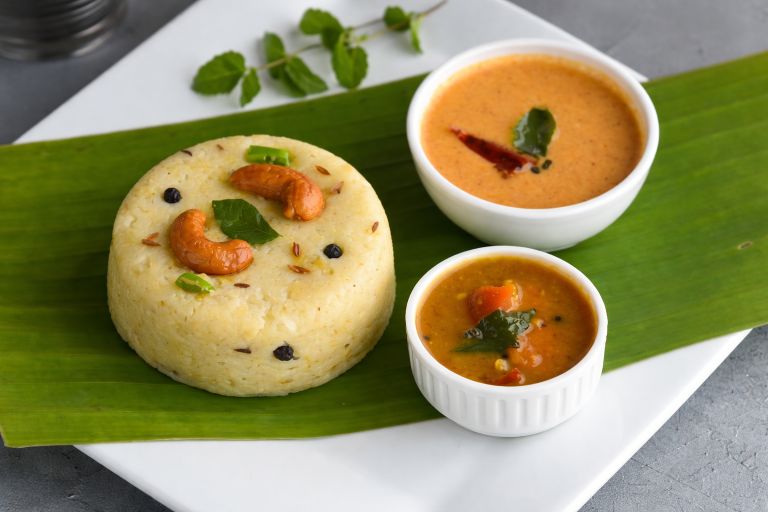
Ven Pongal, on the other hand, is a savoury and comforting dish. Unlike the sweet version, it features spices such as black pepper, cumin, ginger, and curry leaves. As a result, the dish delivers a rich and flavorful taste.
Ingredients for Ven Pongal
- 1 cup raw rice
- 1/4 cup moong dal
- 4 cups water
- 2 tbsp ghee
- 1 tsp crushed black pepper
- 1 tsp cumin seeds
- 1-inch grated ginger
- A few curry leaves
- 10 cashews
- Salt to taste
Steps to Prepare Ven Pongal
First, dry roast the moong dal until fragrant.
Next, wash the rice and dal, and cook them together with water in a pressure cooker.
Meanwhile, heat ghee in a pan and add cumin seeds, crushed pepper, ginger, curry leaves, and cashews.
Afterwards, pour this tempering over the cooked rice and dal mixture.
Finally, mix everything well and serve hot with coconut chutney or sambar.
Conclusion
Pongal is much more than just a festival. In fact, it represents gratitude, community, and the celebration of nature’s abundance. Moreover, the traditions associated with Pongal reflect the deep cultural roots of Tamil heritage.
Additionally, the delicious varieties of Pongal dishes highlight the culinary richness of the region. Whether sweet or savoury, each preparation tells a story of tradition, unity, and celebration.
Ultimately, Pongal reminds us to appreciate the gifts of nature and celebrate the harvest season with joy and togetherness.
Share your thoughts on our Instagram channel @thefood.travellers