

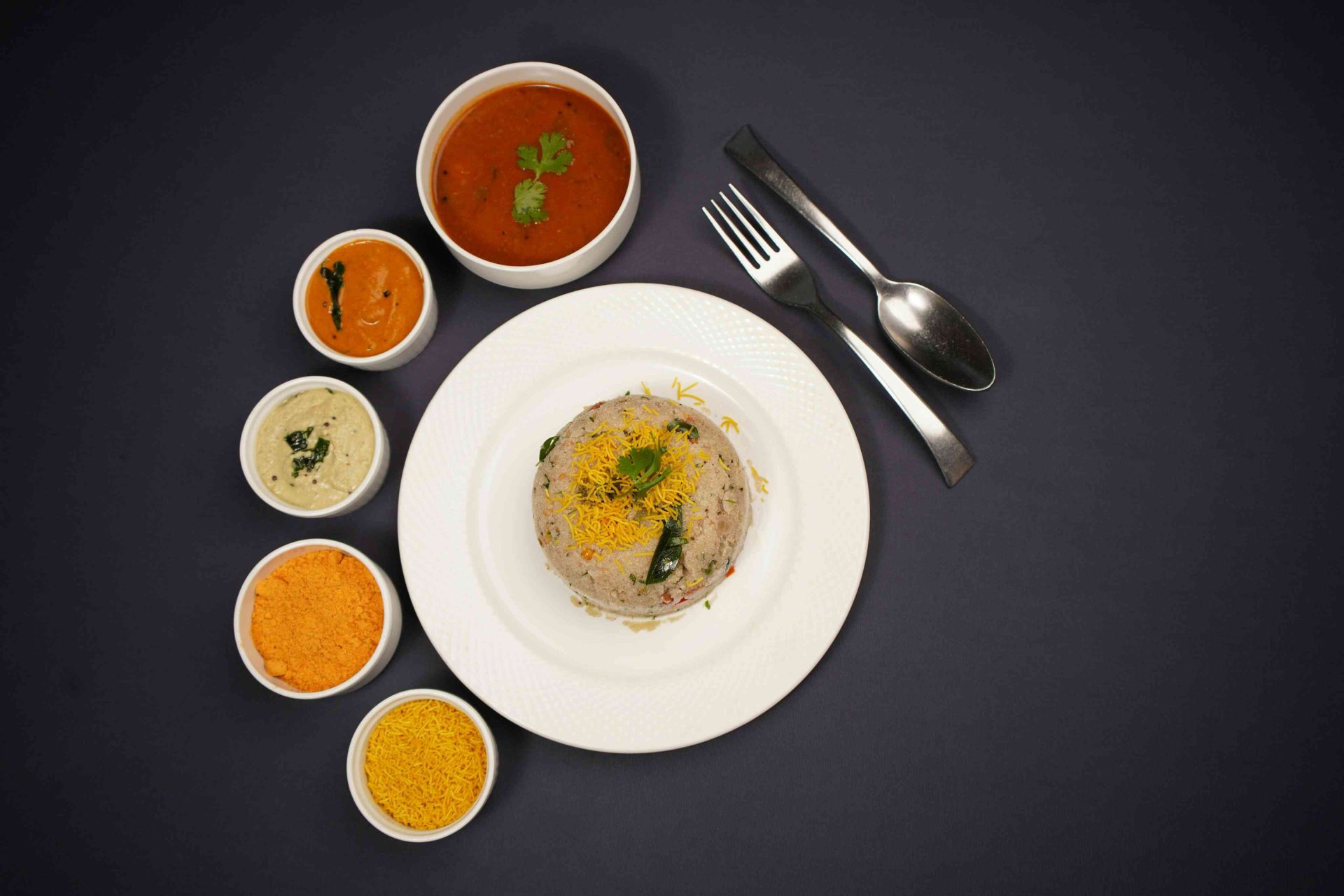
Introduction to Rava Upma
Rava upma is one of the classic mouth-watering breakfast options of South India. This dish is prepared with semolina sooji, vegetables and some spices. This upma is very nutritious and is also very easy to make. It is a staple at home when someone is running late for school, college or the office. This dish has different names in Tamil, Karnataka and other parts of India.
This recipe is effortless and can be done in a short time. All you need is a few ingredients like semolina (rava), vegetables of your choice and some basic spices. You can add different variety of vegetables like chopped onions, carrots, beans, peas, curry leaves, coriander leaves, etc.
This is the most popular dish served in any household or restaurant in South India. It doesn't make your stomach feel heavy if prepared the right way. It is rich in nutrients and excellent for health.
About the Recipe & Variations:
Here are some variations of rava upma you can try at home.
- Vegetable (carrots, beans, peas) Upma
- Spicy tangy tomato upma
- Masala upma (with sambar powder) spiced up
- Rava upma (healthier, made with wheat rava)
- Vermicelli Upma (Semiya version)
- Rice Rava Upma (Rice Rava Upma)
The dish is easily customised to your taste and the ingredients you have on hand.
Prep Time Prep Time
- Ready in: 10 minutes Ready in: 10 minutes
- Preparation time: 15 minutes Preparation time: 15 minutes
- Total time: 25 min. Total time: 25 min.
Nutrition Facts (Approximate, Per serving) Nutrition Facts (Approximate, Per serving)
- Calories: 180-250 kcal
- Carbohydrates High (semiline)
- Protein: Medium (can be increased with vegetables/lentils)
- Fibre: Medium (plant)
- Fat: Medium/Low
Ingredients for Rava Upma Ingredients for Rava Upma
Main Ingredients: Main Ingredients:
- 1 cup rava (sooji / semolina)
- 2–2½ cups water
- 2 tbsp gingelly oil, sunflower oil and ghee (you can skip this and use just one of them if you want)
Method to Make Rava Upma: Method to Make Rava Upma:
- 1 tsp mustard seeds 1 tsp mustard seeds
- 1 tsp urad dal
- Few curry leaves
- 1-2 green chillies, chopped
- 1 inch ginger, grated
Vegetables (optional, but recommended):
- 1 onion (chopped finely)
- 1 carrot, diced
- 2 tbs peas
- French beans (chopped finely)
Spice.
- Salt as needed
- Lemon juice 1 tbsp
- Fresh coriander leaves.
Step-Wise Recipe Of Rava Upma Making
1: Roast the Rava
In a kadai or deep pan, dry roast rava on a low flame until it becomes aromatic (3 to 5 mins). Rava can darken quickly, so keep stirring. When it becomes aromatic, switch off the gas and immediately put the rava into a dry utensil. If you leave it in the pan, it can burn.
This prevents lumps and makes the upma fluffy and airy. This step prevents lumps and makes the upma fluffy and airy.
2: Make the Tempering 2: Make the Tempering
In a deep pan, heat gingelly oil, sunflower oil and ghee. In a deep pan, heat gingelly oil, sunflower oil and ghee. When the oil is hot, add the mustard seeds; they will splutter. When the oil is hot, add the mustard seeds; they will splutter. Then add urad dal and fry until golden.
3: Smells
Now add green chillies, curry leaves and grated ginger. Let it saute 30 seconds.
4: Cook some veg
Now it’s time to add the veggies. Add the onions and cook until soft. Then add all the chopped veggies, like carrots, peas and French beans. Let them cook through.
This step usually takes 2-3 minutes. This step usually takes 2-3 minutes.
5. Add the water 5. Add the water
Add salt to 2-2.5 cups of water. Add salt to 2-2.5 cups of water. Stir in Stir in
6: Add Rava. 6: Add Rava.
Add the roasted rava in a circular motion slowly. Mix well so that there are no lumps. Add the roasted rava in a circular motion slowly. Mix well so that there are no lumps.
7. Rava Upma – Cook & Steam
Cover and cook on a low flame for 2-3 minutes. Check in between. Water should be absorbed completely. Once the oil begins to separate, you can put out the flame.
8. Finish
Garnish with coriander and farsan (optional). Stir gently and serve hot with a lemon wedge.
Tips and Tricks
- While roasting rava, use a non-stick pan, as rava gets a little sticky.
- Add water to the upma. Use boiling water as it cuts down the cooking time.
- Add the rava to the water slowly and continue stirring, as it can become lumpy
- Fry the curry leaves separately and keep aside for crunchiness
- Top with a spoonful of ghee for a rich flavour
- For a soft texture, use 1 part rava and 2.5 parts water.
- Ingredients are the key to the real taste of any dish. Finely dice your veg; it will help elevate the flavour.
How to Serve:
- Serve hot with coconut chutney.
- Upma is best enjoyed with some mango or lemon pickle.
- You can also garnish with sugar when plating (it is my favourite style)
- You can counterbalance it with curd
- Best served with filter coffee or masala tea.
Rava Upma Frequently Asked Questions
- Why is my upma slimy?
If you miss the first step, i.e., dry roast rava slowly and properly or add more water. - How to make the upma fluffy?
Roast rava well and use the proper water ratio. - "Can I avoid vegetables?
Even plain upma also tastes very tasty. - How to make it more healthy?
Reduce oil, increase vegetables or switch to wheat rava (lapsi) - How to store upma?
Best served fresh but can be kept for a few hours and reheated. But it will not taste or have the same texture, and the taste of upma will change.
Conclusion
Rava upma is a classic comfort food that strikes the perfect balance between simplicity, nutrition and taste. It uses only a few ingredients and comes together quickly, making it perfect for busy mornings, but it’s also versatile enough to allow you to play around with different flavours and textures. It’s no wonder this humble dish remains a staple in Indian kitchens, whether you like it plain or loaded with vegetables.
Check out our blog for more South Indian recipes: South Indian Food
Coconut Chutney (Kobbari Chutney) Recipe
Recipe of Masala Dosa
Easy South Indian Sambar Recipe
South Indian Recipes
Coconut Chutney Recipe
Masala Dosa Recipe
South Indian Sambar Recipe