
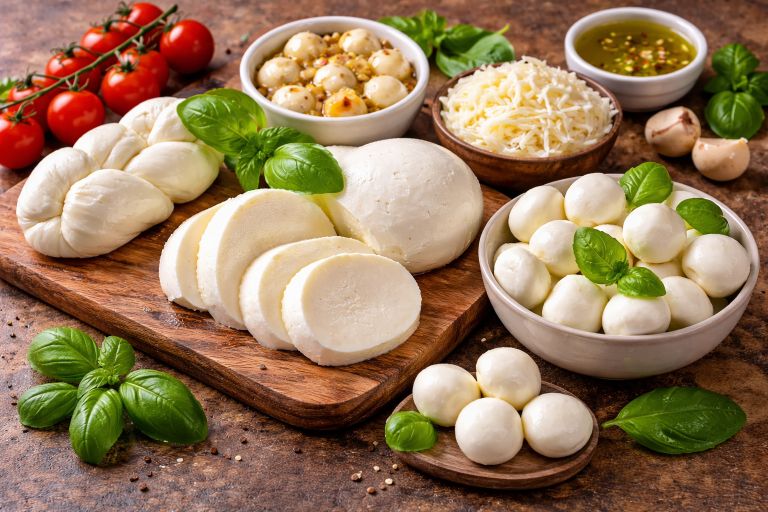
Mozzarella Cheese: Know Your Ingredient Guide

January 9, 2025

Melting Marvels: The Delicious World of Mozzarella Cheese

Mozzarella is the one cheese I always have in the fridge because it finds its way into almost everything I cook — pizzas, pasta, sandwiches, parathas, and even some Indian dishes where it has no traditional business being, but works anyway. I became curious about the different types after noticing that the mozzarella I used for pizza never stretched the same way as the one I used in salads. That is when I learned that fresh mozzarella and low-moisture mozzarella are genuinely different products made for different purposes. Understanding that one difference completely changed how I use cheese in my cooking, and this guide is everything I have learned about mozzarella along the way.

Mozzarella cheese is one of the most versatile and widely loved cheeses in the world. It originated in Italy, where it was traditionally made from the milk of water buffaloes, though most mozzarella produced today uses cow's milk. The process involves stretching and kneading the curd, which gives the cheese its signature soft, elastic, and beautifully melty texture.

What makes mozzarella so popular is its mild, creamy flavour that pairs well with almost anything without overpowering the other ingredients in a dish. It adds richness and a subtle tang that enhances rather than dominates. In classic Italian dishes like pizza, mozzarella is not just a topping — it is the element that ties the entire dish together, giving it that irresistible stretch and melt-in-your-mouth quality. But mozzarella's uses go far beyond pizza, and in this guide, I cover everything from its history and types to how to choose the right one for different recipes.

Exploring the Versatility of Mozzarella Cheese

Beyond pizza, mozzarella is an integral element in many Italian pastas, such as lasagna. It helps create smooth, gooey layers, so that flavour and texture take on a new dimension. Salads often pair fresh mozzarella with ripe tomatoes, basil, and a drizzle of olive oil. This is the iconic Caprese salad. A simple and delightful combination that highlights this cheese's fresh, milky flavour.

Mozzarella can melt and stretch to the highest degree. Chefs seek it for Italian dishes and global creations alike, using it in fusion dishes like quesadillas and grilled cheese sandwiches. It adapts widely to different flavours and cooking methods. Mozzarella is also fabulous in appetisers, including mozzarella sticks. They bread and deep-fry it to present a delightful contrast.

Nutritional values of Mozzarella Cheese:

Mozzarella has not only culinary uses but also offers a wide range of nutritional values. It is a significant source of protein and calcium, which are essential in maintaining muscle health and increasing bone strength. The cheese also contains other essential vitamins, such as vitamin A. It supports vision and immune function, while B vitamins help in metabolism for energy.

It demonstrates flexibility by crossing cultural lines, enjoying a place at tables worldwide. This explains why mozzarella appears in diverse recipes, reflecting widespread public appreciation.

Fresh mozzarella can be eaten immediately. It has been widely adopted as an important ingredient in cooking due to its melting point. It can make dishes taste mouth-watering, bringing together the entire family in any house for meals.

Origins of Mozzarella Cheese:

Mozzarella is one of the cheeses that has become ubiquitous in kitchens around the world; its origin traces back to Italy, particularly the Campania region, where it has been produced since the 12th century. The name "Mozzarella" came from the Italian word mozzare, which means "to cut" or "to slice," referring to the traditional way of hand-shaping the cheese by cutting the curd into small pieces. Initially, mozzarella was produced from the milk of water buffalo, hence earning it the name Mozzarella di Bufala, and it was celebrated for its creamy texture and delicate flavour.

The History of Mozzarella:

Initially, local farmers and cheesemakers in Campania and the surrounding regions of southern Italy produced mozzarella in limited quantities. Due to its high moisture content and perishable nature, mozzarella was best consumed fresh, limiting its distribution to nearby areas. The mozzarella-making process traditionally entails stretching and kneading curds in hot water, which makes the cheese very elastic. The delicate, milky flavour of mozzarella, together with its rich, creamy consistency, immediately made it popular in regional dishes.

Traditionally, mozzarella was enjoyed locally and didn't spread to northern Italy until the early 20th century. The invention of the refrigerator made it easier to transport perishable products, allowing mozzarella to expand into other regions and become an internationally favoured product.

How Mozzarella Became Popular:

The following factors helped mozzarella become recognised everywhere and popular across the world:

The Emergence of Italian Cuisine:

As Italian food became popular around the world, mozzarella found its way into many favourites. It played a critical role in developing Neapolitan pizza. Mozzarella became the signature topping of this classic Italian pizza, especially the traditional Margherita variety, featuring fresh mozzarella, tomatoes, and basil, an iconic combination that showcases the creamy texture and mild flavor of the cheese. The Italian immigrants spread to other parts of the world in the late 19th and early 20th centuries, especially to the United States, thereby fueling the popularity of the cheese, as it became an essential ingredient in a variety of Italian American dishes.

Exportation of Mozzarella di Bufala:

Italian emigrants brought not only their recipes but also the ingredients that made these dishes so unique. Mozzarella, especially the water buffalo variety (Mozzarella di Bufala), has entered new markets worldwide. Italian communities in the United States, Australia, and Canada established their presence, bringing mozzarella into the heart of the local culinary scenes. Restaurants, pizzerias, and grocery stores started stocking the cheese, thereby establishing it as a global ingredient.

Cow's Milk Mozzarella End:

As demand for mozzarella grew and maintaining a stable supply of buffalo milk became difficult, producers established cow's milk mozzarella. While buffalo milk mozzarella has a richer taste with a creamy texture, Fior di Latte or cow's milk mozzarella, was inexpensive and available in abundance. This mozzarella, though not as zesty or creamy as that made from buffalo's milk, was a simple answer to the growing demands across the globe. Centuries down the line, cow's milk mozzarella is widely available in superstores and restaurants around the globe.

The Versatility of Mozzarella Cheese in Cooking:

Mozzarella, with its slight, sweet flavour and very good melting properties, it has won hearts in lots of different dishes. Its versatility allowed it to adapt to both traditional recipes and innovative culinary creations. It became a central ingredient in sandwiches, salads, pastas, and, of course, pizzas. Mozzarella was also used in fusion dishes, such as quesadillas and grilled cheese sandwiches, blending seamlessly with various international flavours. This adaptability helped establish mozzarella as a staple in kitchens across the globe.

Varieties of Mozzarella Cheese:

Mozzarella is available in various forms. This includes different tastes and textures, and suits different requirements in cooking. The major types are:

Mozzarella di Bufala Campana:

This is probably the most traditional and therefore the most flavorful variety of mozzarella, produced by the milk of water buffaloes. It presents a rich creamy texture that has a tangy edge, which differentiates it from other mozzarella types. Being a PDO product, Mozzarella di Bufala Campana is considered one of the delicacies. It is because of its authenticity and fine quality. This cheese product is mainly sold fresh; it can be used to make fancy dishes such as Caprese salad or may be served just as it is with a few drops of olive oil and some salt on top.

Fior di Latte:

Fior di Latte mozzarella is made from cow's milk. It is an even milder, softer, and less sharp counterpart to Mozzarella di Bufala. It is an extremely versatile cheese, great for topping pizzas, pastas, and salads. Although lacking the depth of flavour one gets from buffalo milk, it is still very rich and creamy, so everyone loves it in traditional Italian as well as fusion cooking.

Smoked Mozzarella or Scamorza:

Scamorza or Smoked Mozzarella is a version that gives a deep, woody flavour to the cheese. Smoking is the process of giving the cheese a different aroma and flavour. This makes it more appealing to be used in savoury dishes, especially in Italian recipes such as baked pastas, grilled sandwiches, or as a topping for meats and vegetables. It is firmer than fresh mozzarella, which makes it perfect for grilling or pan-frying.

Burrata:

Burrata is a more luxurious alternative to ordinary mozzarella. It is created by forming a fresh mozzarella pouch filled with a mixture of shredded mozzarella and cream. The result is an overly rich, indulgent taste and a soft, silky heart that oozes cream when cut. It is used in traditional Italian cuisine and is fresh and popularly paired with tomatoes and basil, accompanied by a few drops of balsamic vinegar, or as a topping for pizzas and various pasta dishes.

Low-Moisture Mozzarella:

This mozzarella is drier and firmer than fresh mozzarella and is suitable for pizzas and processed foods. It keeps longer, and when it is heated, it doesn't lose its shape so much; it melts pretty well. This type of mozzarella is usually sold shredded and is widely used in pizza chains as well as in home cooking because of its convenience and meltability.

Fresh Mozzarella:

Fresh mozzarella comes packed in brine or whey to maintain moisture. It has a soft and moist body, with delicate, milky flavour profiles. Fresh mozzarella is best for fresh preparation methods such as salads, sandwiches, and antipasto. The creamy texture of fresh mozzarella makes it perfect for preparation methods like lasagna or baked pasta.

From being a regional Italian speciality to a worldwide phenomenon, the development of mozzarella is testimony to its durability and flexibility in use. Mozzarella adds flavour to both the conventional Italian recipes and modern fusions prepared in many ways.

Vegetarian and Vegan Mozzarella Options:

Because many have gone towards adopting the vegetarian and vegan lifestyle, people want alternative options in the production of mozzarella, not using animal-based rennet. It led to some plant-based mozzarella or other varieties that can satisfy most who want this famous cheese while sticking to their chosen dietary lifestyle.

Vegetarian Mozzarella:

Many of the mozzarella brands these days provide vegetarian options since most of the other types of rennet applied traditionally came from calf stomach, which is no longer available due to these two variants.

Prepared with the same techniques, vegetarian mozzarella has the taste and texture of the traditional cheese without using any animal product. "Vegetarian" labelled, it can be available in fresh or low-moisture form. It works excellently for pizzas, pastas, salads, and a whole lot more. Cheesemakers are responding to demand with these alternatives for their vegetarian customers.

Vegan Mozzarella:

As plant-based diets have increased in popularity, vegan mozzarella has become a commonly found alternative to traditional dairy mozzarella. Made from ingredients such as cashews, almonds, soy, or coconut oil, this can mimic the texture, creaminess, and meltability of its dairy counterpart.

Vegan mozzarella stretches, melts, and browns just like its dairy-based counterpart when baked or grilled. This makes it the perfect candidate for pizzas, pastas, and sandwiches. Cruelty-free, dairy-free, and favoured by both vegans and lactose-intolerant people, it offers great taste without any compromise. The near-identical taste and texture provide a satisfactory, convenient choice for everyone.

The Most Expensive Mozzarella Cheese:

Mozzarella di Bufala Campana DOP is the zenith of mozzarella. Only produced using water buffalo's milk from southern Italy in the region of Campania, it boasts an authentic designation of origin status that requires traditional production procedures and strictly controlled standards.

Its cream and fine taste make this cheese greater than cow's milk mozzarella in richness and flavour. Normally sold by whey or brine, it will keep in the freshness needed to place in gourmet dishes like caprese salads or high-grade pizzas paired with some sliced tomatoes, antipasto accompanied by basil.

Artisanal production, limited ingredients and careful preparation have made the delicacy sell at over $50 a pound in some instances. Mozzarella di Bufala Campana represents tradition in making Italian cheese - a deliciously exceptional taste for cheese enthusiasts.

From vegan to vegetarian options and this exquisite variety, it is clear today that no one's tastes and preferences need to go unsatisfied when thinking of mozzarella.

 How Mozzarella Has Shaped Modern Cooking:

Mozzarella cheese has revolutionised both traditional and modern cuisine in numerous ways:

The Global Pizza Revolution: Mozzarella’s ability to melt and stretch has made it synonymous with pizza. Classic Neapolitan pies to New York-style slices use mozzarella cheese.

Innovation in Fusion Cuisine: Chefs incorporate mozzarella into non-Italian dishes, such as mozzarella-stuffed parathas, Japanese mozzarella tempura, and mozzarella-stuffed burgers.

Culinary Versatility: It is relatively mild in flavour. This is why chefs use it in salads like Caprese and appetisers like mozzarella sticks. Also, in baked dishes like casseroles and gratins.

Influence on Food Culture: Mozzarella's versatility has made home cooks and chefs go creative. This is creating new dishes and versions of global cuisines.

A wave of innovative types, both fresh mozzarella and vegan kinds, caters to these consumers who seek healthier yet lighter or plant-based flavours without sacrificing taste.

Conclusion:

Mozzarella cheese, with its rich history and global influence, is one of the most universal types of fine cheese. The cheese that started in the humble Italian countryside has spread throughout the world, delighting and inspiring people. Its traditional buffalo form, a vegan alternative, or melted over a pizza, mozzarella is the cornerstone of culinary innovation and tradition.

Share your thoughts on our Instagram Channel @thefood.travellers

Like
Close
Copyright © 2022 LEMON & LIMES.
Made with by Loft.Ocean. All rights reserved.
Close