

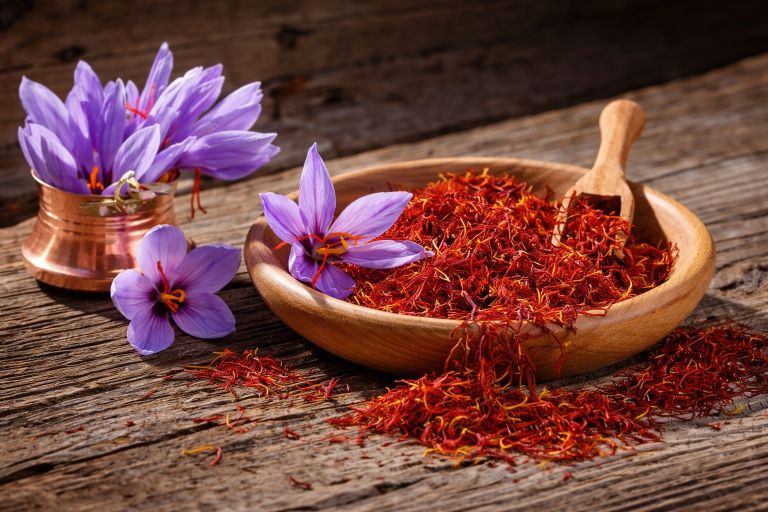
The Magic of Kesar (Saffron)
Kesar holds a special place in my kitchen because it is the one ingredient that instantly transforms an ordinary dish into something that feels celebratory. My mother always kept a small tin of saffron strands in her spice box in Mumbai, and she would bring it out only for kheer, biryani, and special occasion sweets. She taught me that a few strands soaked in warm milk for ten minutes release more colour and flavour than a whole pinch thrown in dry. That lesson has stayed with me, and I still soak my saffron the same way every time. When I moved to Bangalore, I started exploring the different grades available and was surprised at how much the quality varies — the best strands are deep red with no yellow threads, and the aroma when you crush them between your fingers is unmistakable.
Kesar, or saffron, is one of the most precious and expensive spices in the world. It comes from the Crocus sativus flower, and each flower produces only three tiny stigmas that must be hand-picked, which is why saffron costs as much as it does. In Indian cooking, kesar has been a treasured ingredient for centuries — prized for its deep golden colour, distinctive aroma, and the warm, slightly honeyed flavour it adds to everything from desserts to biryanis.
Beyond its role in the kitchen, saffron has a long history in traditional medicine. It has been used for generations to support digestion, improve mood, and promote skin health. In this post, I explore why kesar is so highly prized, its health benefits, its many uses in Indian food, and the reasons behind its remarkable cost
Why Kesar is Good for Health
Saffron, or Kesar, is very rich in potent antioxidants and bioactive compounds responsible for its exceptional health benefits. Let’s explore some key reasons why people celebrate this golden spice for its health properties:
-
Rich in Antioxidants:
Kesar also contains antioxidants, such as crocin, crocetin, and safranal, which help to combat oxidative stress in the body. The antioxidant protects the body's cells from damage caused by free radicals. This means less risk of chronic diseases and promotes a healthy body condition.
-
Boosts Mood and Mental Health:
There have been associated effects of saffron to improve mental health. There have been many studies showing the treatment of depression and anxiety disorders through saffron. The chemical increase of serotonin has also been related to saffron. A tiny dose of saffron also provides relief for people who have minor depression, reducing the intensity of symptoms, thereby enhancing the state of emotions.
-
Anti-Inflammatory Properties:
Active compounds in saffron, specifically crocin and safranal, are anti-inflammatory agents. Regular intake of saffron may thus alleviate inflammation in the body, helping manage arthritis or any inflammatory disease.
-
Improves Digestion:
Traditionally, Kesar is used to ease digestion. It has mild laxative properties and helps in soothing the stomach, improving digestion, and reducing bloating. It also stimulates the production of bile, thus helping improve overall digestive health.
-
Supports Eye Health:
Saffron is thought to have a beneficial effect on the eyes. Compounds in saffron have been suggested to have the ability to enhance vision and even prevent conditions such as macular degeneration, which is the leading cause of vision loss among older adults. Specifically, crocin has been demonstrated to prevent retinal cell damage.
-
Vitamins and Minerals:
Kesar is an excellent source of vital vitamins and minerals, which include Vitamin A, Vitamin C, folic acid, iron, and magnesium. The nutrients improve body immunity, strengthen the bones, and boost red blood cells' production in addition to performing many functions in the human body.
Uses of Kesar in Indian Cuisine
Kesar is a prominent ingredient in Indian cuisine, which enhances the flavour and appearance of dishes. Cooks use Kesar in various ways to add a rich aroma, golden hue, and unique taste to food. Here are some of the most common ways Kesar is used in Indian cooking:
-
In Desserts:
Indian sweets and desserts like Kheer, Gulab Jamun, Ras Malai, Kulfi, and Laddu often feature Kesar. Cooks infuse saffron in milk or use it in syrup form to give these desserts a rich, golden colour and a subtle, luxurious flavour.
-
In Rice Dishes:
Kesar is highly used in one of the famous Indian dishes that consists of rice, including Biryani, Pulao, and Zafrani Pulao. Saffron threads, soaked in warm water or milk, when added to the rice, create a beautiful yellowish color along with a floral and earthy fragrance, giving a delicious taste.
-
Kesar In Beverages:
It is also used for adding flavour to some traditional Indian beverages like Kesar Sharbat, Kesar Milk, and Lassi. Sometimes people take milk, infused with saffron, to have extra energy and gain good health, especially during cold weather. They add the expensive touch of a luxurious aroma and luxury to these beverages as well.
-
Kesar in Savoury Dishes:
Although Kesar is used more liberally in desserts, it also occurs in savoury dishes. It is used in curries, marinades for meats, and in rich gravies for an exotic flavour. Saffron can enhance the taste of dishes like Murg Korma and Paneer Butter Masala.
-
In Sauces and Soups:
You can also use Kesar in sauces, soups, and stews, where the liquid absorbs its flavours and essence. Saffron-based sauces work as a base for grilled meat or roasted vegetables, bringing harmony to the dishes.
Why Kesar is So Flavorful and Costly
It is known for having a unique taste, which contains hints of subtle sweetness, bitterness, and earthiness. It also has a subtle floral fragrance that is slightly honey-like in sweetness. But what makes Kesar so unique and expensive? Let's break it down:
-
Labour-Intensive Harvesting Process:
The Crocus sativus flower provides the stigma used for saffron. Each flower contains three red stigmas, which workers must pluck by hand. To produce just one pound of saffron, they must pluck tens of thousands of flowers. Since the flowers bloom only once a year, mainly in October and November, saffron must be harvested quickly and individually, contributing to its high cost.
-
Kesar's High-Yielding Costs:
The flower yields saffron in very minute quantities, so farmers need thousands of flowers to obtain even a small amount of saffron. Labour required for planting, care, and picking of flowers is significant, and thus the cost of Kesar is quite high.
-
Weather Conditions:
The cultivation of saffron is very weather-specific. It grows best in cool, dry climates with well-drained soil. Farmers mainly cultivate saffron in areas such as Kashmir, Iran, Spain, and Greece, where the climate is suitable. The limited cultivation areas and the delicate nature of the plant further increase saffron's scarcity and cost.
-
Kesar's Long Drying Process:
After harvesting the flowers, workers dry the saffron threads with extreme care to preserve their flavour, colour, and aroma. This process may take several days, and careless handling can mean a loss in quality. The care taken in the drying process makes the final product expensive.
-
Impressive Shelf Life:
While saffron is expensive, it also has a long shelf life if kept properly. A little goes a long way in flavouring dishes, so even though it's expensive, it is a worthwhile investment for many cooks and food lovers.
Conclusion
Kesar is not just an ingredient; it's a luxurious and flavorful spice that elevates any dish with its rich colour, intoxicating aroma, and unique taste. Beyond its culinary uses, saffron offers a wealth of health benefits, from improving digestion to boosting mood and supporting eye health. Its high cost is justified by the labour-intensive harvesting process, limited growing regions, and careful handling required to preserve its quality. Whether it is the traditional Indian dessert or a warm glass of Kesar-infused milk, there is no denying that saffron is one of the world's most valued ingredients.
Next time you add Kesar to your dish, remember not just how it has made the dish spectacular, but the journey it had to undertake before reaching your plate!
Share your thoughts on our Instagram Channel @thefood.travellers