

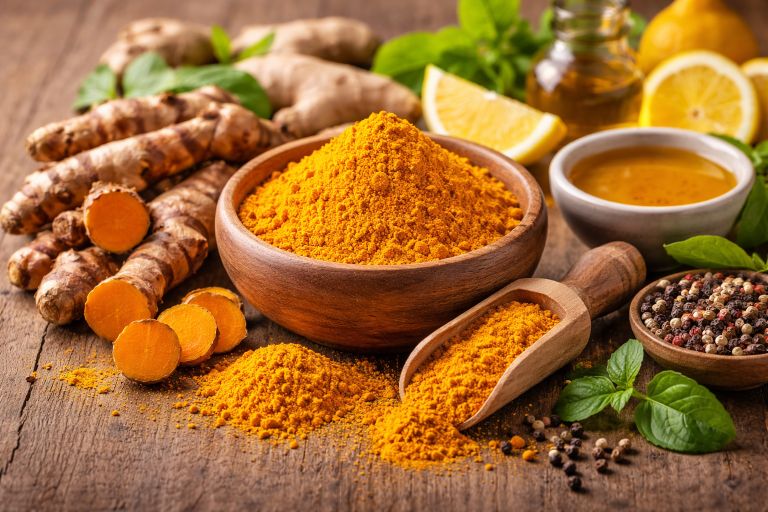
Unveiling the Fascinating Journey of Turmeric
Turmeric is the one spice I use every single day without exception. A pinch goes into dal, a pinch into rice, a pinch into vegetable curries — my mother used to say no dish is complete without haldi, and after years in my own kitchen, I have come to agree. Growing up in Mumbai, turmeric was not just a cooking ingredient but also a home remedy. A glass of warm haldi milk was the answer to every cold, every sore throat, and every scraped knee. When I started reading about the actual science behind turmeric's health benefits, I was fascinated to discover that many of the things my mother believed about it have been backed by research. This post is a deep dive into everything I have learned about this extraordinary spice.
Turmeric is one of the most remarkable spices in the world. Its warm golden colour and earthy flavour have earned it a central place in cuisines across India and beyond, but turmeric's significance goes far deeper than the kitchen. It has been used for thousands of years in traditional medicine, religious ceremonies, and cultural rituals, making it one of the most historically important plants on the planet.
From its origins as a humble root to its current status as a global superfood, turmeric's journey is genuinely fascinating. In this post, I explore its history, its proven health benefits, its many uses in cooking and daily life, and why this golden spice deserves its reputation as one of nature's most powerful ingredients.
A Glimpse into Ancient Origins:
We shall trace this wonderful spice back thousands of years to the Indian subcontinent. Turmeric has been cultivated since ancient times and has maintained its reputation. Botanically classified as Curcuma longa, turmeric belongs to the ginger family and prefers warm, tropical climates. Its use has been traced back to the Indus Valley Civilisation, where archaeologists trace this ingredient. Turmeric has been used for both medicinal and culinary purposes since at least 2500 BCE.
Cultural and Medicinal Significance:
The importance of turmeric in other culinary fields makes its position very sacred within diverse cultures and medicinal practices. Historically, in ancient Indian Ayurvedic medicines, turmeric is seen to have wonderful health benefits and taken seriously within the traditional healing context due to its anti-inflammatory and antioxidant properties, besides having antimicrobial effects for fighting off a wide spectrum of digestive disorders and skin disorders among other diseases.
Outside India, this ingredient has entered traditional Chinese and traditional Malay medicine because of its medicinal values. Spices also play a major role in ceremonies or rituals of religious importance, symbolising purity, prosperity, or good fortune in the belief systems of Hinduism and Buddhism.
Spreading Its Wings:
As the civilisations grew and the expansion of trading routes, turmeric's influence has stretched beyond the Indian subcontinent. Indian traders transported the spice through ancient trade routes into other parts of the world. Turmeric eventually entered the Middle East and found its way into Persian and Arab cuisines. It colored biryanis, curries, and stews, and was in most recipes because of its distinctive flavour and colour.
In Southeast Asia, turmeric is easily assimilated into the food cultures of Thailand, Indonesia, and Malaysia. From aromatic curries to fiery sambals, turmeric infused depth and complexity into a wide range of dishes. This leaves an indelible mark on the regional cuisine.
Turmeric in the Contemporary World:
Today, this ingredient is a staple spice in the culinary world. This is in demand for its bright colour and flavour, besides the touted health benefits. From turmeric lattes in trendy cafes to gourmet spice blends on gourmet food shop shelves, the golden spice has insidiously crept into modern cuisine in many forms and guises.
New scientific research shows that turmeric is medicinally useful, so it's very popular these days as a natural remedy and a dietary supplement. This spice helps reduce inflammation, fight cancer, and promote good brain health, making it highly valued by people for these characteristics.
Conclusion:
The journey of this ingredient from an ancient remedy to a global culinary phenomenon is proof of its ever-enduring appeal and numerous uses. Indeed, the very ordinary root has marked itself indelibly on the map of food as well as medicine in cultures and generations. Turmeric, in all its secrets slowly unravelling and tapped, is a perfect example of how deeply food, culture, and health intertwine. So, the next time you sprinkle a pinch of this golden spice into your dish, remember that every bright speck holds within it a rich tapestry of history and tradition.
Read about different ingredients on our blog. Share your thoughts on our Instagram handle @thefood.travellers.
Comments are closed.