

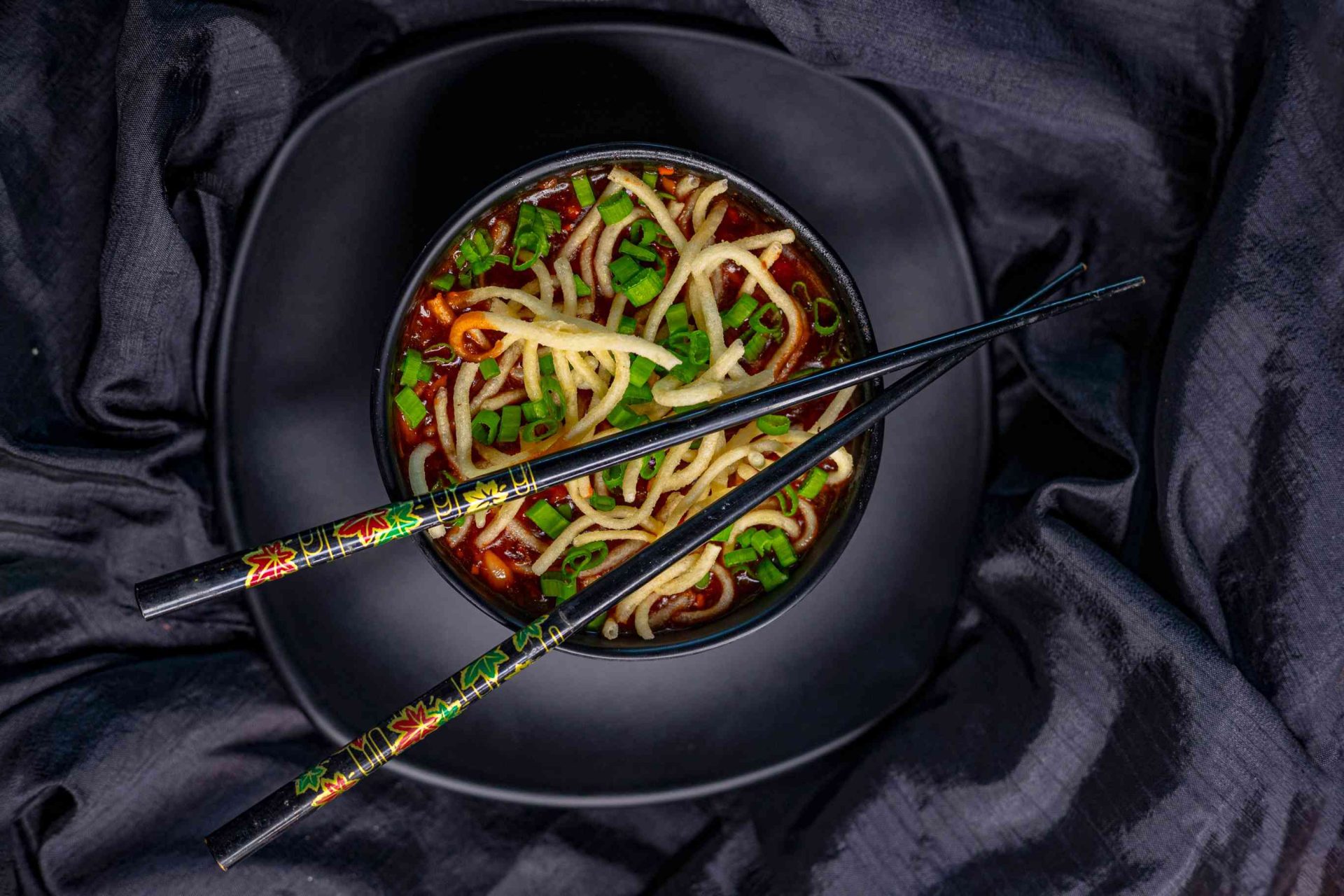
A Bowl That Changed Global Food Culture
I became fascinated with ramen after watching a documentary about how it travelled from China to Japan and then to the world. Researching this post sent me down a rabbit hole of Japanese food history that I genuinely enjoyed. While I have only had vegetarian ramen at restaurants in Bangalore, the cultural story behind the dish is what made me want to share this piece.
When you think of Japan, ramen is often one of the first dishes that comes to mind. However, its story begins far beyond Japan’s borders. Over time, this humble noodle soup evolved into one of the most loved comfort foods in the world.
Today, ramen represents far more than a simple meal. In fact, it symbolizes cultural exchange, innovation, and global culinary creativity.
Origins of Ramen: The Chinese Connection
Contrary to popular belief, ramen did not originate in Japan. Instead, its roots trace back to Chinese noodle soups. In the late 19th century, Chinese immigrants brought wheat noodles and savory broths to port cities like Yokohama.
Initially, these soups combined wheat noodles with meat or vegetable-based broths. Gradually, Japanese cooks began adapting the flavors to suit local tastes. For instance, they introduced dashi, soy sauce, and miso. As a result, a new hybrid dish emerged — ramen as we know it today.
Thus, ramen was born from a beautiful fusion of Chinese technique and Japanese flavor.
The Rise of Ramen in Japan
During the early 20th century, ramen shops began appearing across Japan. These small eateries, known as Chuka Soba-ya, served simple bowls of noodles, broth, and toppings such as sliced pork or vegetables.
However, ramen’s real turning point came after World War II. At that time, Japan faced severe food shortages. Consequently, affordable wheat-based noodles became essential. Ramen quickly transformed into a symbol of survival and hope.
Then, in 1958, everything changed.
Momofuku Ando, founder of Nissin Foods, invented instant ramen — Chikin Ramen. Suddenly, anyone could prepare a hot meal simply by adding boiling water. Soon after, Cup Noodles launched globally in the 1970s.
Because of this innovation, ramen moved from street stalls to supermarket shelves worldwide.
Ramen’s Global Expansion
As Japanese cuisine gained international popularity, ramen followed closely behind. During the 1980s and 1990s, sushi introduced many people to Japanese food. Soon afterward, ramen captured global attention.
Several factors fueled its expansion:
1. Growing Popularity of Japanese Cuisine
As Japanese restaurants opened in cities like New York, London, and Sydney, ramen became a staple menu item. Eventually, it gained recognition as a complete and comforting meal.
2. Instant Ramen Accessibility
Meanwhile, instant ramen became a favorite among students and families. Its affordability and convenience made it universally appealing.
3. Regional Diversity Within Japan
At the same time, regional ramen styles began attracting food lovers:
- Tonkotsu Ramen (Fukuoka) – Rich pork bone broth
- Miso Ramen (Hokkaido) – Hearty and savory
- Shoyu Ramen (Tokyo) – Soy sauce-based
- Shio Ramen – Light salt-based broth
Because of this variety, ramen never felt repetitive. Instead, it offered endless exploration.
The Social Media & Chef Influence Era
Later, social media accelerated ramen’s global fame. Platforms like Instagram and YouTube showcased visually stunning bowls filled with soft-boiled eggs, chashu pork, and fresh herbs.
As a result, “ramen tourism” became a trend. Food lovers began traveling specifically to taste regional variations.
Additionally, celebrity chefs such as David Chang elevated ramen into the fine-dining space. His modern interpretations introduced gourmet toppings and creative broths. Consequently, ramen moved beyond fast food and entered culinary artistry.
Ramen’s Versatility Across Cultures
One of ramen’s greatest strengths is its adaptability.
For example:
- Vegetarian and vegan versions became widely available.
- Korean-style kimchi ramen gained popularity.
- Indian masala ramen emerged with bold spices.
- Fusion variations appeared in global kitchens.
Because ramen welcomes experimentation, it continues to evolve. Every culture adds its own twist while respecting its foundation.
Ramen Today: A Global Comfort Food
Today, ramen exists in many forms. You can enjoy a quick late-night instant cup or sit down for an artisan bowl crafted over hours.
From Japanese street stalls to international chains, ramen has traveled far from its modest beginnings. Nevertheless, it remains comforting, satisfying, and deeply nostalgic.
More importantly, ramen continues to inspire creativity. Chefs and home cooks alike explore new broths, toppings, and textures.
Final Thoughts
From its Chinese origins to its Japanese refinement and global fame, ramen’s journey reflects cultural exchange and culinary innovation.
Ultimately, ramen’s story proves that food transcends borders. What began as a simple noodle soup has become a worldwide phenomenon.
And as long as people crave warmth and comfort in a bowl, ramen will continue to unite kitchens around the globe.
This recipe is part of our Complete Vegetarian Korean Recipes Guide — explore kimchi, Korean corn dogs, cream cheese garlic bread and more.