

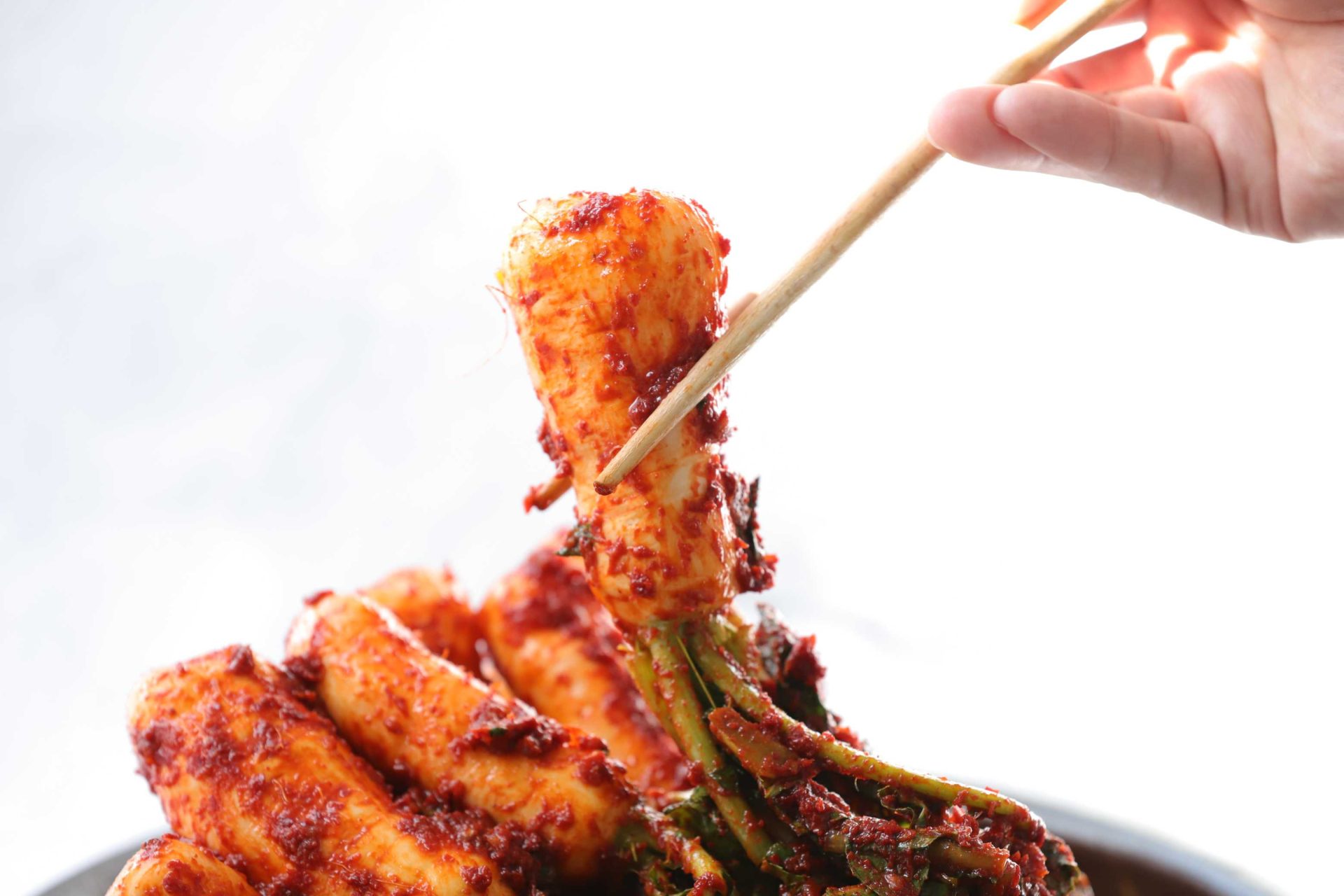
History of Kimchi: The Story Behind Korea’s Iconic Fermented Dish
My first jar of homemade kimchi fermented on the kitchen counter for three days before I dared to open it, and the smell honestly startled me. Once I tasted it, I understood why Koreans have been making this dish for centuries — the depth of flavour is something you cannot get from any store-bought version. I wrote this post to share not just the recipe but also the history I found fascinating while researching it.
In the realm of food worldwide, kimchi has one of the best stories.” Today, it stands as a symbol of Korean tradition and bold, distinctive flavour, but it started out as something much simpler: a way for ancient Korean communities to preserve their food through long, harsh winters.
When fresh vegetables were hard to come by in the cold months, people turned to salt and fermentation to make cabbage and other produce last. When fresh vegetables were hard to come by in the cold months, people turned to salt and fermentation to make cabbage and other produce last. Over generations, those basic techniques evolved into the spicy, deeply flavoured kimchi we know today. Those basic techniques grew into the spicy, deeply flavoured kimchi we know today over generations. It is wonderful that a dish born of necessity became world famous. It is wonderful that a dish born of necessity became world famous.
Kimchi also reflects the journey of Korean society. It travelled from royal kitchens to everyday family tables, picking up character along the way, and it became a quiet symbol of Korean identity and culture. Every jar carries that long history with it.
Table of Contents
-
What Is Kimchi?
-
History of Kimchi: Origins in Ancient Korea
-
Fermentation and the Science of Kimchi
-
Kimchi in Korean Culture and Traditions
-
Modern Dishes Inspired by Kimchi
-
Health Benefits Explained Through the History of Kimchi
-
FAQ About Kimchi
What Is Kimchi?
Kimchi is a traditional Korean fermented food, usually made from napa cabbage or radish. Before fermentation, cooks season the vegetables with chilli pepper, garlic, ginger and salt. Before fermentation, the vegetables are seasoned with chilli pepper, garlic, ginger and salt by cooks.
So kimchi is a strong combination of spicy, sour and umami.
Because of its strong taste, kimchi pairs well with many dishes. For example, Korean street foods like Vegetarian Korean Corn Dogs and fusion dishes like Veg Fried Rice often include kimchi as a flavourful side.
Learn more about kimchi’s origins on
Wikipedia:
Additionally, Britannica explains the significance of Korean cuisine here:
History of Kimchi: Origins in Ancient Korea
The history dates back more than 2,000 years. Early Korean farmers needed ways to preserve vegetables during winter months. Therefore, they began fermenting vegetables in salted brine.
Early Fermented Vegetables in the History of Kimchi
Initially, kimchi looked very different from modern versions. Ancient recipes contained only salted vegetables, no chilli peppers.
People commonly fermented the following:
- radish
- cucumber
- cabbage
These vegetables were kept in earthenware jars called onggi, where natural fermentation took place.
Kimchi History Changed by Chilli Peppers
Kimchi’s history took a dramatic turn in the 16th century. Kimchi’s history took a dramatic turn in the 16th century. Chilli peppers were imported to Korea then through trade. Chilli peppers were then imported to Korea through trade.
Then the cooks began adding chilli flakes to it, and so came the red colour and spicy taste of kimchi. Then cooks started putting chilli flakes in it, and that’s when the red colour and spicy flavour of kimchi were born. Eventually the recipe was developed into the modern version we know today. Eventually the recipe was developed into the modern version we know today.
Kimchi and the History of Fermentation
Kimchi fermentation has a long past. The good bacteria work on the sugars in the vegetables, developing complex flavours.
Kimchi is fermented so it is loaded with probiotics and nutrients. Because kimchi undergoes fermentation, it is abundant in probiotics and nutrients. Because kimchi undergoes fermentation, it is abundant in probiotics and nutrients.
Why Does Fermentation Matter?
“Fermented foods are good for your gut health and digestion,” says Healthline.
Harvard Nutrition Source explains how probiotics balance your gut bacteria and improve your overall health.
Nutritional Benefits of Kimchi
Kimchi is packed with a lot of beneficial nutrients, such as:
- probiotics;
- vitamin A and vitamin C
- anti-oxidants
- dietary fibre
Fermented foods can also help with immunity and digestion, WebMD also notes. Fermented foods can also help with immunity and digestion, WebMD also notes.
History of Kimchi in the Korean Culture
The history of Kimchi is closely related to Korean customs and family life. An important tradition is Kimjang, the preparation of kimchi for the winter.
Kimjang Tradition in Kimchi History
During the Kimjang season, families and communities gather to make kimchi in large quantities. In the Kimjang season, families and communities gather to make kimchi in large quantities. The event strengthens social ties and preserves the cultural heritage.
Kimjang, a food tradition, illustrates how food is implicated in the construction of cultural identity.
National Geographic often explores how food traditions influence cultures worldwide.
Modern Recipes Inspired by the History of Kimchi
Although kimchi originated as a preservation method, modern chefs use it in creative dishes. Consequently, kimchi continues to evolve through global cuisine.
Korean Street Food
Many Korean street foods complement kimchi perfectly. Some common examples are as under:
These dishes are a blend of old-school flavours and new-school street-food culture.
Korean-Inspired Vegetarian Recipes
Korean ingredients also appear in vegetarian fusion dishes such as the following:
These recipes show how Korean flavours have influenced global cuisine.
Why the History of Kimchi Still Matters Today
The history of kimchi represents more than a simple recipe. Rather, it’s a story of resilience, of cultural identity, of culinary innovation.
The worldwide interest in fermented foods is also on the rise. Today, many people are aware of the health benefits and unique flavours that fermentation produces.
Kimchi has become popular around the world and is now one of the most recognisable dishes in world cuisine.
How to Serve:
Kimchi goes great with so many Asian and fusion dishes. For example, you can serve kimchi alongside:
- Vegetable Fried Rice
- Vegetarian Korean Corn Dogs Recipe
- Gochujang Cauliflower
- Korean Cream Cheese Garlic Bread
Frequently Asked Questions About Kimchi
What are the ingredients generally used to make kimchi?
Kimchi is made from a variety of vegetables and seasonings, but most often it is made with napa cabbage, Korean radish, garlic, chilli pepper, ginger and salt.
How old is kimchi?
Kimchi has been around as part of Korean history for well over 2,000 years.
Why is kimchi healthy?
Kimchi is rich in probiotics, vitamins and antioxidants that can help improve your digestion and immune health.
How does kimchi taste?
Kimchi has a spicy, tangy and slightly sour taste that comes from fermentation.
More Korean Recipes Like This
Korean food fans, here are some recipes:
Final Thoughts on the Kimchi
The history of kimchi is a reflection of how traditional foods evolve over time. Whether it’s the oldest means of preservation or the most modern international cuisine, kimchi continues to connect cultures through flavour and tradition.
This recipe is part of our Complete Vegetarian Korean Recipes Guide — explore kimchi, Korean corn dogs, cream cheese garlic bread and more.
Comments are closed.