

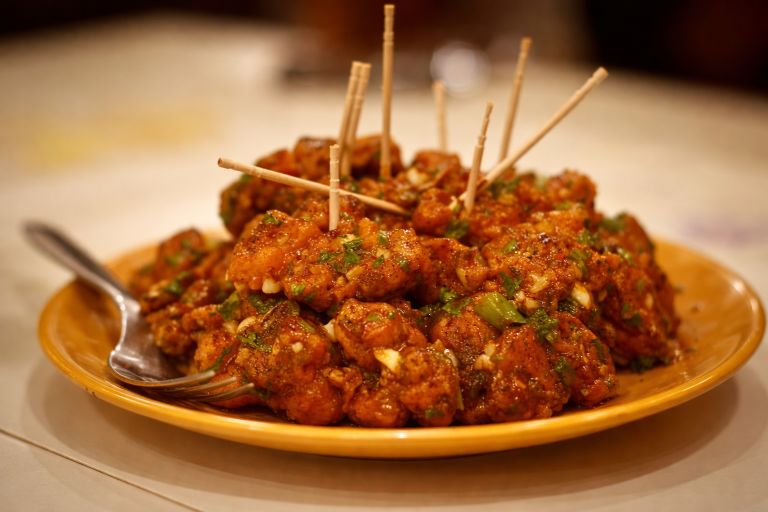
Gobi Manchurian: The Story and Recipe of India’s Favourite Indo-Chinese Dish
Gobi Manchurian is the dish that introduced me to Indo-Chinese food as a teenager in Mumbai. There was a Chinese stall near our college that made it fresh to order — you could hear the cauliflower hitting the hot wok from across the street.
The crispy florets coated in that sticky, spicy, garlicky sauce were addictive beyond reason, and I would order it at least twice a week. Making it at home took some practice — my first attempt was soggy because I crowded too many pieces in the oil and the temperature dropped.
The trick is frying in small batches so every piece comes out golden and crunchy, and tossing them in the sauce right before serving so the crunch stays intact. This recipe is my recreation of that college-days favourite, and it still tastes just as good.
Gobi Manchurian is one of the most iconic dishes in Indo-Chinese cuisine. Crispy cauliflower florets are tossed in a spicy, tangy sauce made with soy sauce, garlic, and chilli, creating an irresistible balance of crunch and bold flavour in every bite.
The dish is a beautiful example of culinary fusion. When Chinese immigrants settled in Kolkata, they brought traditional stir-frying techniques with them. Over time, local cooks blended those techniques with Indian spices and sauces, and a whole new cuisine was born.
Indo-Chinese favourites like gobi manchurian, veg fried rice, and honey chilli baby corn became staples across India, loved equally at street stalls, restaurants, and home kitchens. Cauliflower also brings its own quiet benefits — it is a good source of fibre, antioxidants, and vitamin C, which makes this dish a little less guilty than it tastes.
Table of Contents
- The History of Gobi Manchurian
- Origins of Indo-Chinese Cuisine
- Ingredients for this recipe
- How to Make this Manchurian recipe at home
- Unique Twists for Gobi Snack
- Why this Manchurian Is So Popular
- Frequently Asked Questions
The History of Gobi Manchurian
The story of Gobi Manchurian begins with the development of Indo-Chinese cuisine in India. During the early 20th century, Chinese immigrants—especially from the Hakka community—settled in Kolkata. They introduced traditional Chinese cooking methods such as stir-frying and wok cooking.
However, these chefs adapted their recipes to suit Indian taste preferences. Instead of using mild seasonings, they incorporated garlic, chilli, soy sauce, and deep-frying techniques. Consequently, dishes like noodles, fried rice, and Manchurian recipes have emerged.
Interestingly, the word “Manchurian” does not directly refer to the Chinese region of Manchuria. Instead, it describes a cooking style where vegetables or meat are battered, fried, and tossed in a spicy sauce.
You can explore more about Chinese culinary traditions on Britannica – Chinese Cuisine.
Origins of Indo-Chinese Cuisine
Indo-Chinese cuisine developed when Chinese cooking techniques blended with Indian flavours. Because Indian diners enjoy spicy food, chefs added chilli, garlic, ginger, and tangy sauces.
Consequently, dishes such as gobi manchurian, fried rice, and noodles became extremely popular. Over time, these recipes spread across India through restaurants and street food stalls.
National Geographic explains how global food traditions evolve when cultures interact
Today, Indo-Chinese cuisine remains one of the most beloved fusion cuisines in India.
Ingredients for Gobi Manchurian
Ingredients for the Cauliflower
- 1 medium cauliflower (cut into florets)
- ½ cup all-purpose flour
- ¼ cup corn flour
- 1 teaspoon ginger-garlic paste
- 1 teaspoon red chilli powder
- salt to taste
- water for batter
- oil for frying
How to make the Manchurian Sauce
- 2 tablespoons of oil
- 1 tablespoon chopped garlic
- 1 tablespoon chopped ginger
- 1–2 green chillies
- 1 onion, chopped
- 1 capsicum, chopped
- 2 tablespoons soy sauce
- 1 tablespoon red chilli sauce
- 1 tablespoon tomato ketchup
- 1 teaspoon vinegar
- ½ teaspoon black pepper
- salt to taste
Thickening Slurry
- 1 tablespoon corn flour
- ¼ cup water
Garnish
-
chopped spring onions
How to Make Gobi Manchurian
1: Prepare the Cauliflower
First, bring water to a boil and add a pinch of salt. Then blanch the cauliflower florets for about two minutes. Afterwards, drain them and rinse with cold water.
2: Prepare the Batter
Next, combine all-purpose flour, corn flour, chilli powder, ginger-garlic paste, and salt. Gradually add water to form a thick batter.
3: Fry the Cauliflower
Meanwhile, heat oil in a deep pan. Dip each floret into the batter and fry until golden and crispy. Then place them on paper towels to remove excess oil.
4: Prepare the Manchurian Sauce
Now heat oil in a wok. Add chopped garlic, ginger, and green chillies. Stir-fry briefly until aromatic.
Next, add onions and capsicum. Cook them for two to three minutes so they remain slightly crunchy.
5: Thicken the Sauce
Add soy sauce, chilli sauce, ketchup, vinegar, and black pepper. Stir well. Then pour in the corn flour slurry while stirring continuously. As a result, the sauce thickens and becomes glossy.
6: Combine and Serve
Finally, add the fried cauliflower to the sauce and toss gently. Garnish with spring onions and serve hot.
For a complete Indo-Chinese meal, serve gobi manchurian with veg fried rice.
Unique Twists for Gobi Manchurian
Cheese Gobi Manchurian
Sprinkle shredded cheese over the dish and bake briefly for a creamy twist.
Honey-Chili Gobi
Add a drizzle of honey to balance the spicy flavours.
Lemon Zest Version
Fresh lemon zest brightens the flavour of this Manchurian recipe.
Sesame Crunch
Toasted sesame seeds add a nutty texture.
Why Gobi Manchurian Is So Popular
Crispy Texture
The dish combines crispy cauliflower with soft interiors.
Bold Flavor
The sauce blends spicy, tangy, and savoury flavours.
Versatility
You can serve gobi manchurian as a dry appetiser or a gravy dish.
Fusion Cuisine
This dish perfectly demonstrates how cultures blend to create exciting new recipes.
Frequently Asked Questions About Gobi Manchurian
What is gobi manchurian made of?
Gobi manchurian consists of cauliflower florets that are battered, fried, and tossed in a spicy Indo-Chinese sauce.
Is this Manchurian vegan?
Yes. Most Manchurian recipes use plant-based ingredients.
Can gobi manchurian be baked instead of fried?
Yes. Baking reduces oil while still creating crispy cauliflower.
What can I serve with gobi manchurian?
It pairs well with veg fried rice or noodles.
Related Recipes
You may also enjoy:
Final Thoughts
This Manchurian dish remains one of the most exciting examples of Indo-Chinese fusion cuisine. By combining crispy cauliflower with a bold sauce, the dish delivers unforgettable flavour.
Share Your Experience
Have you tried making this at home? Share your photos and tag us on Instagram @thefood.travellers.
Comments are closed.