
Champagne is a sparkling wine from France’s Champagne region, shaped by cool vineyards, chalky soils and a second fermentation in the bottle. Its history is a story of place, patience and careful cellar work.
Before the bubbles
Wine was made in the region for centuries, but the cool climate often stopped fermentation in winter and restarted it in spring. Early wines could therefore develop natural fizz unpredictably.
The traditional method
Modern Champagne uses a still base wine, a measured sugar-and-yeast addition and a second fermentation in the bottle. The wine rests on its lees, is gradually turned, then cleared and topped up before release.
Why the region matters
Chalky soils help drainage and retain water, while the cool northern climate preserves acidity. Chardonnay, Pinot Noir and Meunier are the principal grapes, each contributing freshness, structure or fruit.
Enjoying Champagne
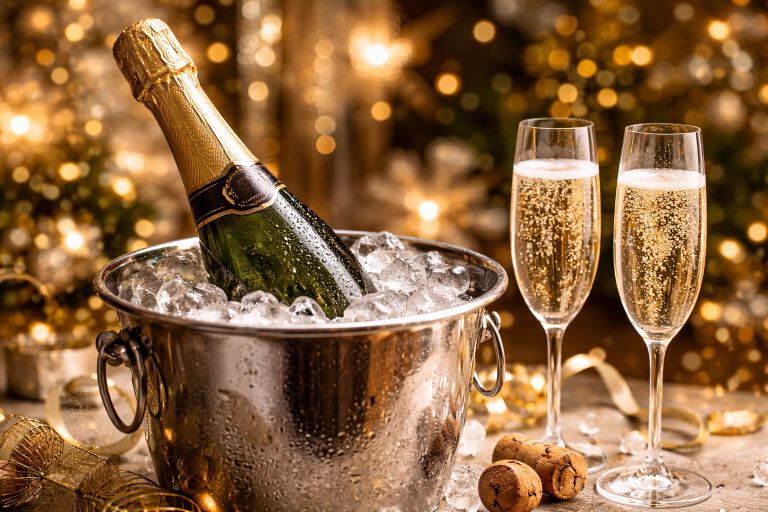
Serve well chilled in a flute or white-wine glass. It pairs with salty snacks, fried foods, seafood and light desserts. Store unopened bottles cool and dark, and drink opened wine promptly with a sparkling stopper.
More food history and culture
For more stories about food traditions, explore our food and travel stories, read about the Pongal festival, or discover the history of ice cream. For another ingredient story, see our Cheddar cheese guide.