

Vegetarian Chhutagi Recipe – Traditional Ladakhi Pasta Stew
Chhutagi is a Ladakhi dish I had never heard of until I went down a Northeast India food rabbit hole while researching lesser-known regional recipes. The bowtie-shaped pasta was what caught my attention first, and the broth turned out to be deeply warming in a way that feels perfect for cold evenings. My first attempt at shaping the dough took ages, but it got faster with practice. This is one of those recipes I am proud to share because it feels genuinely different.
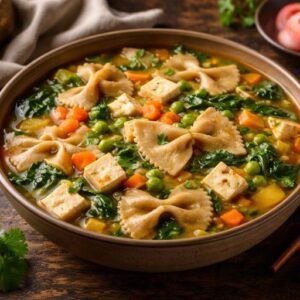
This vegetarian chhutagi recipe is a traditional ladakhi dish and is a bowl full of warmth, comfort and nourishment. In addition, this vegetarian chhutagi features handmade wheat pasta and hearty vegetables in a rich, flavourful broth, creating a wholesome and deeply satisfying meal. The pasta’s unique bow-tie shape also does a good job of absorbing the flavours and contributes to the overall flavour and texture of the dish.
Most of the year the weather in Ladakh is very cold so food has to be energy-giving and continuously warming. Thus, the veg chhutagi is an important part of everyday life, providing both sustenance and solace. Furthermore, families frequently make this dish together, which preserves tradition and also strengthens cultural bonds. Thus, the Ladakhi chhutagi is not merely food; it is a representation of Ladakhi legacy, resilience, and simple yet nourishing cooking.
Table of Contents
- Introduction to Chhutagi Recipe
- History of Veg Chhutagi
- What Makes Chhutagi Recipe Unique
- Ingredients for Veg Chhutagi
- Step-by-Step Chhutagi Recipe
- Nutritional Value of Veg Chhutagi
- Chhutagi Vegetarian Perfect Tips
- How To Serve
- Frequently asked questions FAQs
- The Bottom Line
History of Vegetarian Chhutagi Recipe
Ladakh origins.
Veg chhutagi is a Ladakhi dish, and Ladakh is a high-altitude Himalayan region with harsh winters and rough terrain. The bitter cold and narrow range of crops of this region influence traditional food preferences. These tend to be warming, nourishing and high in calories. Vegetarian chhutney recipes and related dishes were invented for sustenance and comfort. In addition, the simplicity of the ingredients readily available makes this dish practical as well as satisfying.
Influence of Central Asia and Tibet
Ladakhi cuisine also draws heavily from Tibetan and Central Asian cuisines, which play a key role in preparing vegetarian chhutagi. This resulted in the development of the dish using methods such as preparation of handmade dough and slow-cooked broths. Moreover, they also brought a balance of simplicity and nourishment which is typical of Ladakhi cooking even today.
Read more about Incredible India
Family Tradition of Cooking
The tradition is that in the colder months families make the veg chhutagi together. Each member even often joins in kneading the dough and shaping the signature bow-tie pasta. This meal represents the ties of family and cultural heritage. Moreover, these shared cooking experiences help build a sense of belonging and continuity across generations. So the recipe of chhutagi becomes a beautiful symbol of community, warmth and heritage.
What makes Vegetarian Chhutagi special?
Fresh Pasta
Unlike pasta in Italy, the chhutagi recipe in Ladakh uses wheat dough that is hand rolled into bow-tie shapes.
HEARTY VEGETABLE SOUP
Potatoes, carrots and spinach are also excellent vegetables to make a rich and nourishing broth.
Cultural Comfort Food
Consequently, this vegetarian chhutagi recipe holds deep cultural significance in Ladakh.
Read more about food culture
More recipes you can explore:
History of Kimchi
Khao Soi
Chimichurri Paneer Tikka
Veg Momos Recipe
Ladakh Travel Guide
Chhutagi – Ladakhi Bow-Tie Pasta Stew
Ingredients
Dough Ingredients
- 1 cup whole wheat flour
- ¼ tsp salt
- Water as required
Stew Ingredients
- 1 tbsp oil
- 1 onion chopped
- 3 garlic cloves minced
- 1 tomato chopped
- 1 carrot diced
- 1 potato diced
- ½ cup green peas
- 1 cup spinach or cabbage
- 150 g tofu cubed
- Salt and pepper
- 4 cups vegetable stock
Instructions
- Step-by-Step Vegetarian Chhutagi Recipe
- 1: Prepare the Dough
- First, mix flour and salt. Then knead into a firm dough and let it rest for 10 minutes.
- Resting relaxes gluten and improves texture.
- Roll the dough thin, as it helps the pasta to cook evenly.
- 2: Now, let's shape the Chhutagi
- Roll the dough and cut into squares. Then pinch the centre to form bow-tie shapes.
- 3: Prepare the Stew Base
- Heat oil and sauté onions and garlic. Then add tomatoes and cook until soft.
- 4: Once tomatoes are mushy, add carrots, potatoes and peas and let them cook.
- 5: Once the vegetables are cooked, then add the broth
- Once the stew starts to boil, simmer it and season.
- 6: Add Tofu cubes and cook gently
- 7: Cook the Pasta
- Add the pasta to the stew and cook until soft.
- 8: Finally, serve the vegetarian chhutagi recipe warm in bowls.
Vegetarian Chhutagi Recipe Nutritional Benefits
High in Fibre & Protein
Whole wheat and tofu are excellent sources of a balanced diet.
High in Vitamins
Vegetables have important nutrients.
Learn about healthy eating
Tips for Perfect Veg Chhutagi Recipe
Use thin dough.
Thin pasta cooks better.
Choose Good Stock
Stock enhances flavour.
Maintain Thick Consistency
The stew should remain hearty.
Serving Suggestions for Vegetarian Chhutagi Recipe
Serve the veg chhutagi with the following:
- Herbal tea
- Butter tea
- Pickled vegetables
- Chilli oil
Frequently Asked Questions about Vegetarian Chhutagi Recipe:
What does a vegetarian chhutagi recipe taste like?
It tastes like a mild vegetable stew with soft pasta.
Can I use all-purpose flour while making the vegetarian chhutagi recipe?
Yes, although whole wheat is more traditional.
Can I store chhutagi?
Yes, refrigerate for one day.
Can I freeze the pasta?
Yes, freeze shaped pasta for a month.
Final Thoughts on Veg Chhutagi
In conclusion, the chhutagi recipe is the heart of Ladakhi cuisine. But besides its simplicity, it is also nourishing and comforting to the body and soul.
This veg chhutagi recipe is not just cooking; you are cooking the Himalayan tradition.
I tried this recipe it tastes amazing