


Vaikom Shiva Temple: The Abode of Eternal Peace
This is one of the oldest and most famous temples in South India located in Vaikom, Kottayam district of Kerala. Known as the Kashi of the South this temple has many legends attached to it. The architecture attracts a lot of devotees. The temple is a part of the famous “Vaikom, Ettumanoor and Kaduthuruthy” trio of temples.
It has a peaceful atmosphere and beautiful architecture. Devotees go there to find peace and divine blessings in an atmosphere full of Kerala’s rich and unique cultural heritage.
The Abode of Eternal Peace
Myth and legend are deeply rooted with ancient sages and divine interventions in Vaikom Temple. The origins of the temple are linked with two legendary figures: Vyaghrapada Maharshi and Lord Parasurama, who are part of the sacred narrative and the mystical presence of the temple.
One of the most popular stories associated with Vaikom Temple is that of Vyaghrapada, the man-eater, who is said to have had the strength and determination of a tiger. The myth has it that he did severe atonement and penance here to please Lord Shiva. Vyaghrapada pleased Lord Shiva. Lord Shiva granted his wishes by installing his spiritual self as a Shiva Linga. Over the centuries this sacred Linga has become the central hub of intense religious practices and an abode of spiritual for millions of devotees who come to Vaikom seeking blessings and peace.
Vaikom Shiva Linga links with Parasurama. He is an avatar of Lord Vishnu. Parasurama came from the Himalayas with the Shiva Linga and installed it at Vaikom to make the place sacred. He wanted it to be a sinless place and an eternal centre of worship. This makes it associated with Parasurama’s divine assignment who is known as the developer of Kerala. It is believed that in recognition of his approval, the Lord gave Parasurama three Shiva Lingas and asked him to install it at Vaikom, Ettumanoor and Kaduthuruthy.
The Fascinating History and Architecture of the Vaikom Shiva Temple
Vaikom Shiva Temple is one of Kerala’s oldest temples and deeply revered by many people. It dates back to the 12th century. This temple built by the Chera kings comes alive as a true epitome of ancient Dravidian architecture and age-long religious traditions.
The Role of Vaikom Shiva Temple in India’s Freedom Struggle
Beyond its architectural splendor, the Vaikom Shiva Temple assumes a very significant place in India’s social history. Between 1924-25, it became the epicenter of the famous “Vaikom Satyagraha”, a stern resistance campaign against untouchability. It was led Mahatma Gandhi, T.K. Madhavan, and other influential leaders. The campaign sought to eradicate such biased practices. Vaikom Shiva Temple along with center of worship.
Architectural Grandeur of Vaikom Shiva Temple
The Vaikom Shiva Temple is spread over eight acres and portrays all the typical characteristics of Kerala’s traditional architectural style, with a well-defined Dravidian influence enriching its cultural dimensions. Standing atop a somewhat raised platform, the sreekovil (main sanctum) boasts a fabulous gold-plated Shiva lingam, decorated extensively with ornamentation. The edifice surrounding it comprises a spacious pradakshina (circumambulatory pathway) and a tall copper-covered flagstaff called the dwajasthambam.
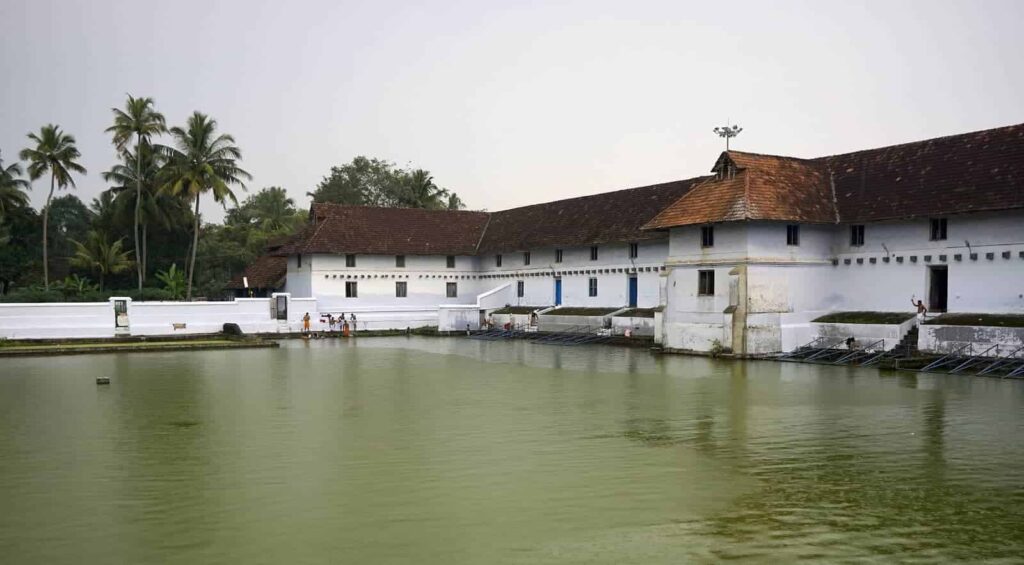
Rich carvings adorn the main entrance gateway (gopuram). It leads to mural paintings depicting aspects of Hindu mythology. Such paintings and carvings feature the exquisite artistry of Kerala artisans that narrate ancient tales through art alone. The temple pond’s water, dedicated to ritual ablutions, imparts a tranquil and graceful aura to the edifice. The very structure with perfect alignment with the principles of Vastu Shastra, welcomes the visitor into its sensuous and soul-fulfilling sojourn.
Vaikom Shiva Temple: A Confluence of Heritage and Spirituality
The Vaikom Shiva Temple is an embodiment of heritage, social reform and architectural pride as well. It is a treasure to the cultural history, temple architecture, and spirituality of Kerala. It gives substance to the hearts of those who are deeply crisis and change minded.
Deity and Worship: The Dual Aspects of Vaikkathappan
The Vaikom Shiva Temple is primarily dedicated to Lord Shiva, revered here as Vaikkathappan (the Lord of Vaikom). The Shiva lingam symbolizes both the Shanta element (the gentle aspect) and the Rudra element (the fierce aspect) of the deity. It is a cosmic reunion of creation and destruction, granting devotees intimate access to the divine.
Some of the most special and exclusive poojas offered include Vilakku pooja or lighting up the oil lamps to invoke divine energies and the Neyyabhishekam, offering of ghee over the lingam. Free the mind and soul to attain more nearness with devotees with the blessings of Lord Shiva.
Spiritual Significance and Pilgrimage Importance
Vaikom Shiva Temple is among the Maha Shakti Peethas, or “power spots” of India. Whoever visits the Vaikom Shiva Temple, makes all their karma this side of the soil; it sets him up for growth spiritually and even helps the individual attain moksha, or salvation. They believe that, by visiting all three temples in the Vaikom-Ettumanoor-Kaduthuruthy circuit within a single day, a pilgrim receives special blessings that deliver them from bondage, purify their souls, and grant them divine guidance.

Grand Festivals at Vaikom Shiva Temple
The grand festival of Vaikom Ashtami is celebrated every year in the month of November to December. This is a grand festival that marks the stay of Lord Shiva. Thousands flock to this temple for its luminous rituals, grand processions, and vibrant cultural festivals. The Aarattu procession brings the function to a finale. The god is given a ritual bath at a river close by. This stands for cleansing and divine replenishment. On Maha Shivratri, the devotees stay up all night performing Jagran in honour of Lord Shiva. Bi-monthly Pradosham with special offerings and big crowds to receive the powerful blessings of Shiva.
How to reach Vaikom Shiva Temple
For all those planning a pilgrimage, it is convenient to reach the Vaikom Shiva Temple.
By Air: The nearest airport is Cochin International Airport (COK), which is 55 kilometres away. Easy taxi and bus options are available to reach the temple from this airport.
By Rail: Vaikom Road Railway Station is about 5 km from the temple. Kottayam is an important station which is just 30 km away.
By Road: National Highway 66 provides for an excellent road access to Vaikom. You can easily reach from Kottayam, Kochi and other cities via bus or car.
Temple Dress Code: Traditional Attire for a Sacred Space
Vaikom Shiva Temple expects the dressing to be very traditional keeping in view decorum and respect. Men: mundu (dhoti) or pants and cannot wear shirts inside the sanctum.
Women: Sarees / salwar kameez / long skirts.
Prasadam and Special Pooja Offerings
Abhishekam: Ritual bath, usually given in the form of pouring ghee (Neyyabhishekam), milk or water on the Shiva lingam.
Ganapathi Homam: Dedicated homam to please the blessings of Lord Ganesha who helps in giving rid of obstacles.
Maha Shivaratri: Special poojas on Maha Shivaratri includes all-night rituals devoted to worshipping Lord Shiva.
Nearby Temples of Significance
There are other famous temples within walking distances from the Vaikom Shiva Temple. This offers devotees the chance to visit a number of sacred sites as part of one single pilgrimage:

Ettumanoor Mahadeva Temple: This temple is situated about 25 kilometres from Vaikom. The temple proudly exhibits ancient murals and hosts the annual Ezharaponnana festival.

Kaduthuruthy Thaliyil Mahadeva Temple: This is the Vaikom-Ettumanoor-Kaduthuruthy circuit. Kaduthuruthy Temple is about 15 km from Vaikom. It has immense holy energy as beliefs say that its serves deliver moksha.

Chottanikkara Temple: It is 35 km from Vaikom. Bhagavathy has been deified in this temple. The temples known for its healing powers. This temple is famous for restoring mental health.
Embracing the Spiritual Journey at Vaikom Shiva Temple
Vaikom Shiva Temple is a great journey into the spiritual heritage of Kerala. It experiences the timeless traditions, mighty rituals, and calming ambiance. It makes this such a beloved place of worship. Devotees irrespective of the rituals or grand festivals visit the place for a stroll.
Comments are closed.