
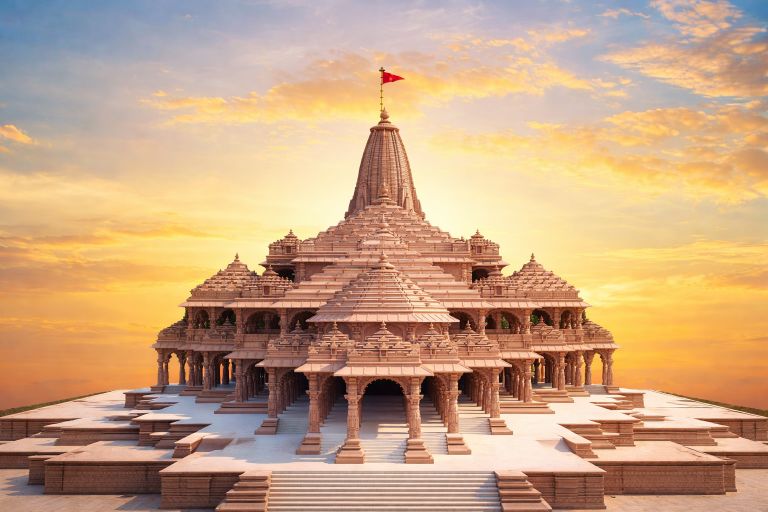
Ram Mandir Ayodhya – Complete Travel Guide, History & Spiritual Significance
The Ram Mandir Ayodhya stands as one of the most sacred and historically significant pilgrimage sites in India, and it continues to attract millions of devotees every year. Located in Uttar Pradesh, this grand temple marks the revered birthplace of Lord Ram; therefore, it holds immense spiritual importance. Moreover, the Ram Mandir beautifully reflects India’s rich cultural heritage and deep-rooted traditions. As a result, pilgrims from across the world visit this holy destination to seek blessings and experience inner peace.
Historically, the importance of the Ram Mandir dates back thousands of years, and it finds mention in ancient scriptures like the Ramayana. According to belief, Ayodhya served as the capital of the Kosala kingdom; furthermore, it is considered the birthplace of Lord Ram, the seventh avatar of Lord Vishnu. Over time, the site remained a powerful symbol of faith and devotion, thereby strengthening its cultural significance.
In modern history, the temple gained global attention due to its long-standing cultural and legal journey. Eventually, the construction of the Ayodhya Ram Mandir began after the Bhumi Pujan ceremony in 2020; subsequently, the Prana Pratishtha ceremony on 22 January 2024 marked a historic milestone. Therefore, this complete guide to Ayodhya Ram Mandir will help you explore its history, significance, and travel details while ensuring a meaningful and well-planned spiritual journey.
Table of Contents
- Introduction to Ayodhya Ram Mandir
- History and Mythological Importance
- Architecture of Ram Mandir
- Spiritual Significance of Ram Mandir
- Best Time to Visit Ayodhya
- How to Reach Ayodhya Ram Mandir
- Fundraising and Construction Story
- Places to Visit in Ayodhya
- Internal Travel Guides
- FAQs
- Final Thoughts
Introduction to Ram Mandir
The Ram Mandir stands as one of the most sacred pilgrimage sites in India, and it attracts millions of devotees every year. Located in Uttar Pradesh, this grand temple marks the mythological birthplace of Lord Ram. Moreover, the Ram Mandir beautifully reflects India’s deep-rooted spirituality and cultural heritage. Therefore, visiting this temple offers not only divine blessings but also a meaningful connection to history and tradition. Additionally, the temple has gained global attention in recent years, making it a must-visit spiritual destination.
History and Mythological Importance of Ayodhya Ram Mandir
Birthplace of Lord Ram
The Ram Mandir is believed to be the exact birthplace of Lord Ram, the seventh avatar of Lord Vishnu. Therefore, devotees consider this site extremely sacred.
Prana Pratishtha Ceremony
On 22 January 2024, priests performed the Prana Pratishtha ceremony, thereby officially installing the idol of Lord Ram. As a result, the Ram Mandir became a major global spiritual landmark.
Architectural Splendour of Ram Mandir
Traditional Temple Design
The Ram Mandir follows traditional Hindu temple architecture. Moreover, artisans used pink sandstone from Rajasthan, which enhances its grandeur.
Intricate Carvings and Structure
The temple features:
- Beautifully carved pillars
- Detailed sculptures
- A towering shikhara
Therefore, the Ram Mandir represents both devotion and architectural brilliance.
Spiritual Significance of Ram Mandir
Symbol of Faith and Unity
The Ayodhya Ram Mandir symbolizes centuries of devotion and cultural identity. Moreover, it connects mythology, history, and spirituality.
Importance for Devotees
Devotees believe that visiting the Ram Mandir brings peace, prosperity, and spiritual fulfillment. Consequently, millions visit every year.
Best Time to Visit Ayodhya Ram Mandir
Ideal Months
The best time to visit Ram Mandir is from October to March.
Festival Experience
During festivals like:
- Diwali
- Ram Navami
The city becomes vibrant and spiritually charged. Therefore, visiting during this time enhances the experience.
How to Reach Ram Mandir
By Air
Ayodhya Airport is located about 7 km from the temple. Alternatively, Lucknow Airport is 135 km away.
By Train
Ayodhya Junction is just 2 km from the Ram Mandir, and it connects to major cities.
By Road
Ayodhya has excellent road connectivity. Moreover, highways make travel smooth and convenient.
Fundraising and Construction of Ayodhya Ram Mandir
Bhumi Pujan Ceremony
The construction of Ram Mandir began on 5 August 2020 with Bhumi Pujan led by Prime Minister Narendra Modi.
Massive Donation Campaign
Millions contributed to building the Ram Mandir. In fact, over 127 million donations helped raise nearly ₹50 billion.
Therefore, it became one of the world’s largest crowdfunding efforts.
Places to Visit Near Ayodhya Ram Mandir
Hanuman Garhi
A famous temple dedicated to Lord Hanuman.
Saryu River Ghats
Devotees attend evening aarti here.
Other Attractions
- Ram Janmabhoomi परिसर
- Local temples and heritage streets
More Temple Guides
You can read more about different temples of India in our blog below:
Kollur Mookambika Temple
Kadampuzha Temple
Ambalapuzha Krishna Temple
Shri Siddhivinayak Temple Mumbai
Vaikom Shiva Temple
Vaishno Devi Temple Katra
H2: External Authority Links
You can read about the official website of Shri Ram Mandir, Incredible India and Uttar Pradesh Tourism.
Frequently Asked Questions about Ram Mandir:
Where is Ayodhya Ram Mandir located?
It is located in Ayodhya, Uttar Pradesh.
What is special about Ram Mandir?
It is the birthplace of Lord Ram and a major spiritual site.
When was the temple inaugurated?
The Prana Pratishtha took place on 22 January 2024.
What is the best time to visit?
October to March is ideal.
Final Thoughts on Ayodhya Ram Mandir
The Ayodhya Ram Mandir is not just a temple; it is a symbol of faith, devotion, and unity. Moreover, it offers a powerful spiritual experience combined with cultural richness.
Therefore, whether you seek blessings or wish to explore India’s heritage, visiting the Ayodhya Ram Mandir will leave a lasting impression.
Follow more journeys: @thefood.travellers
Explore more: https://thefoodtravellers.com/
Comments are closed.